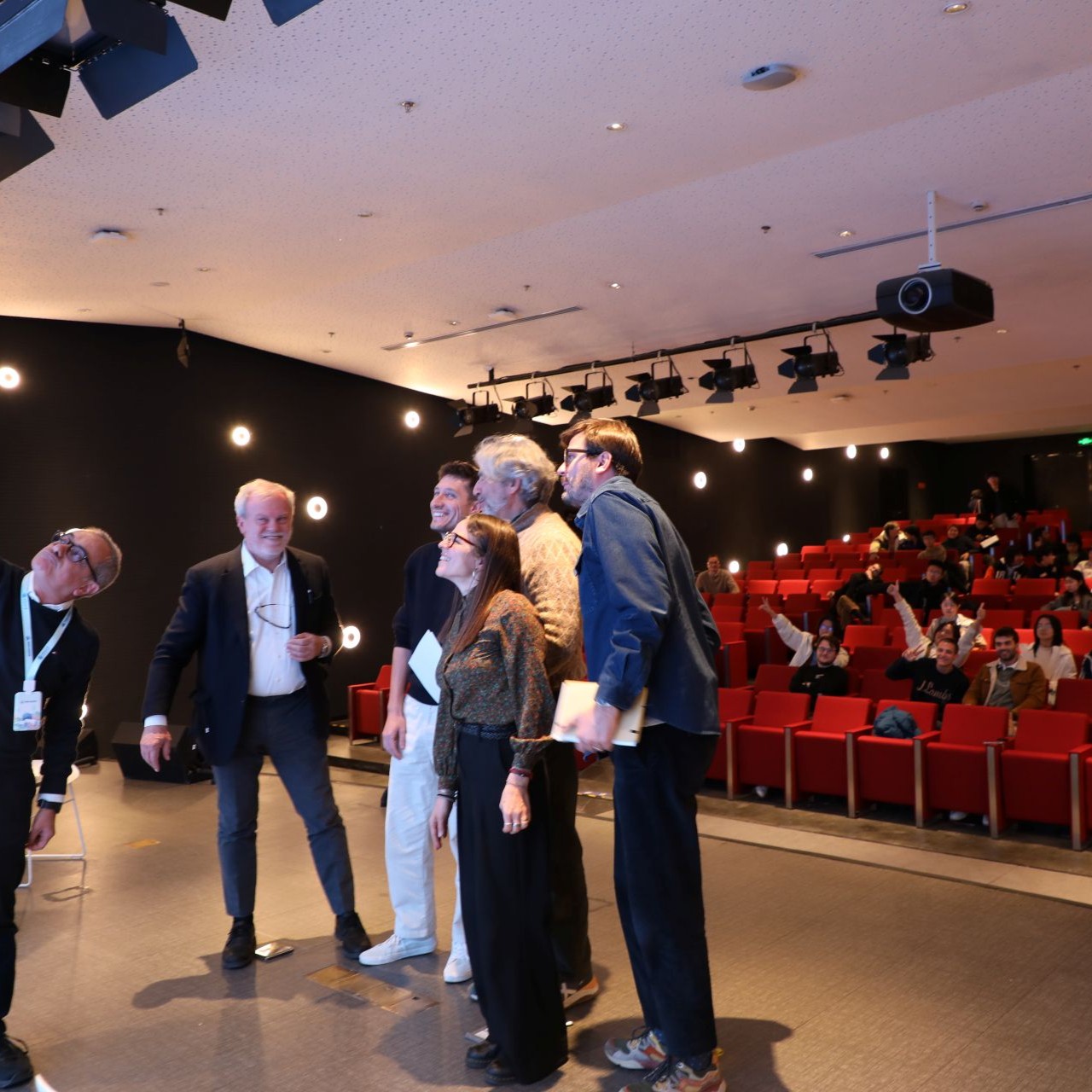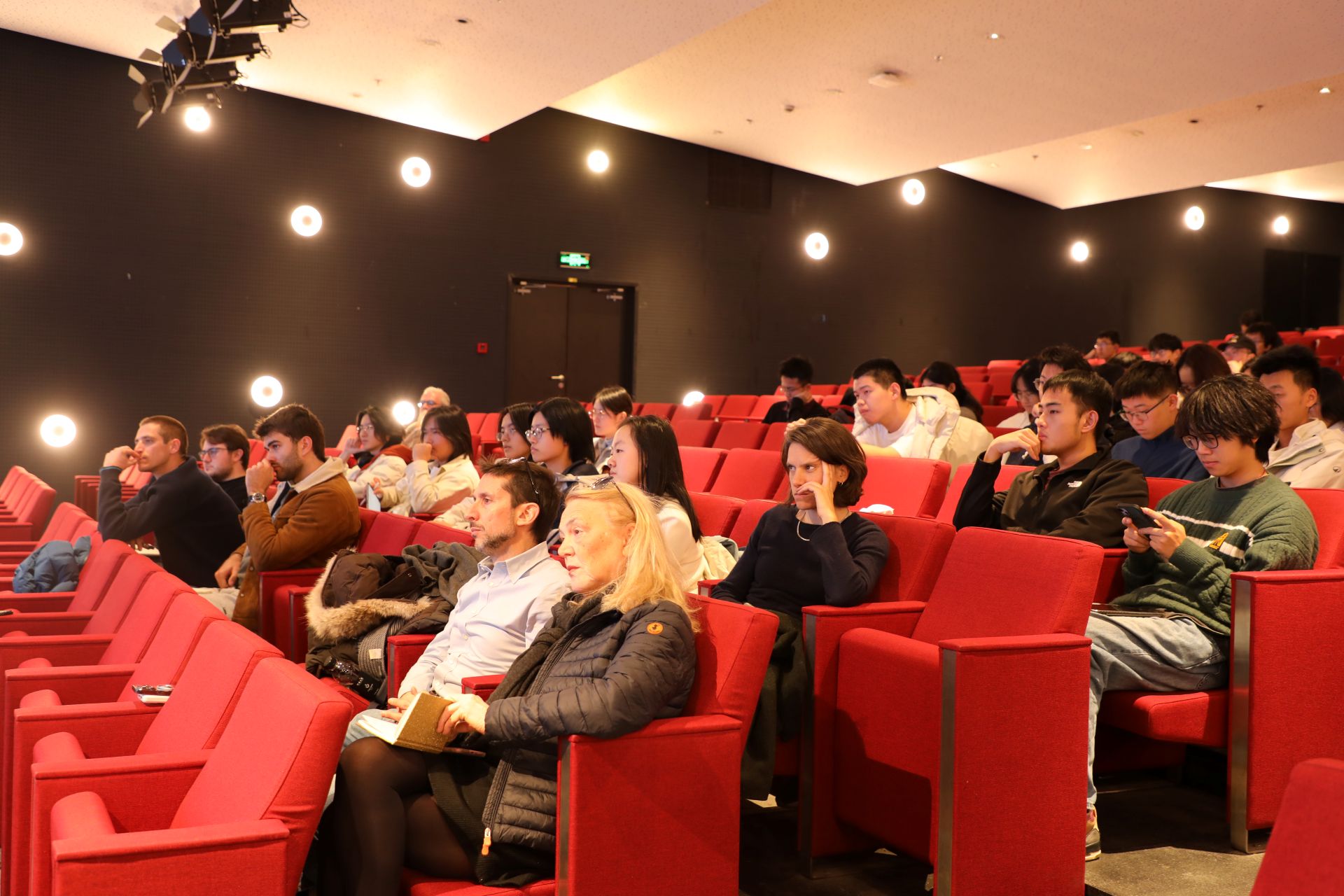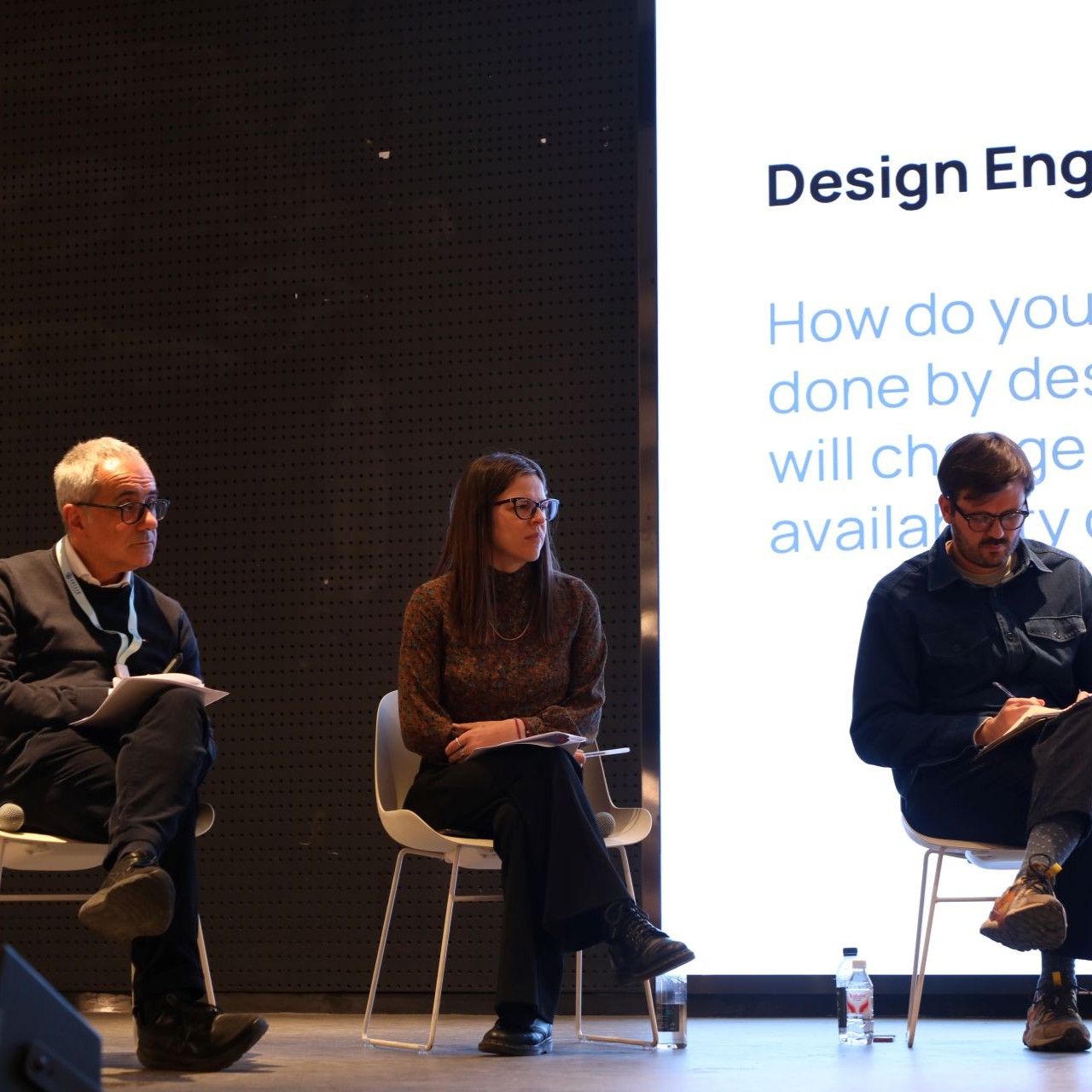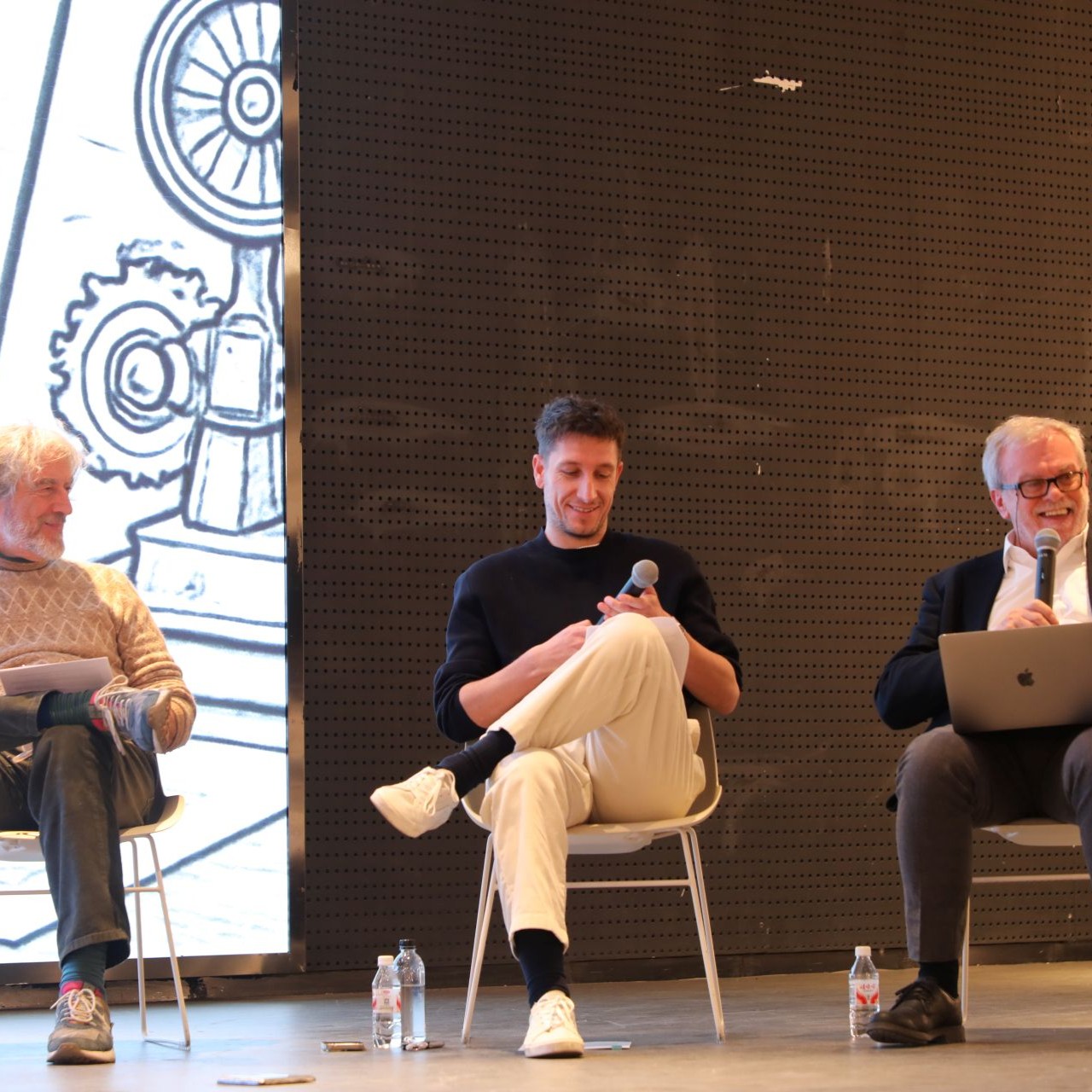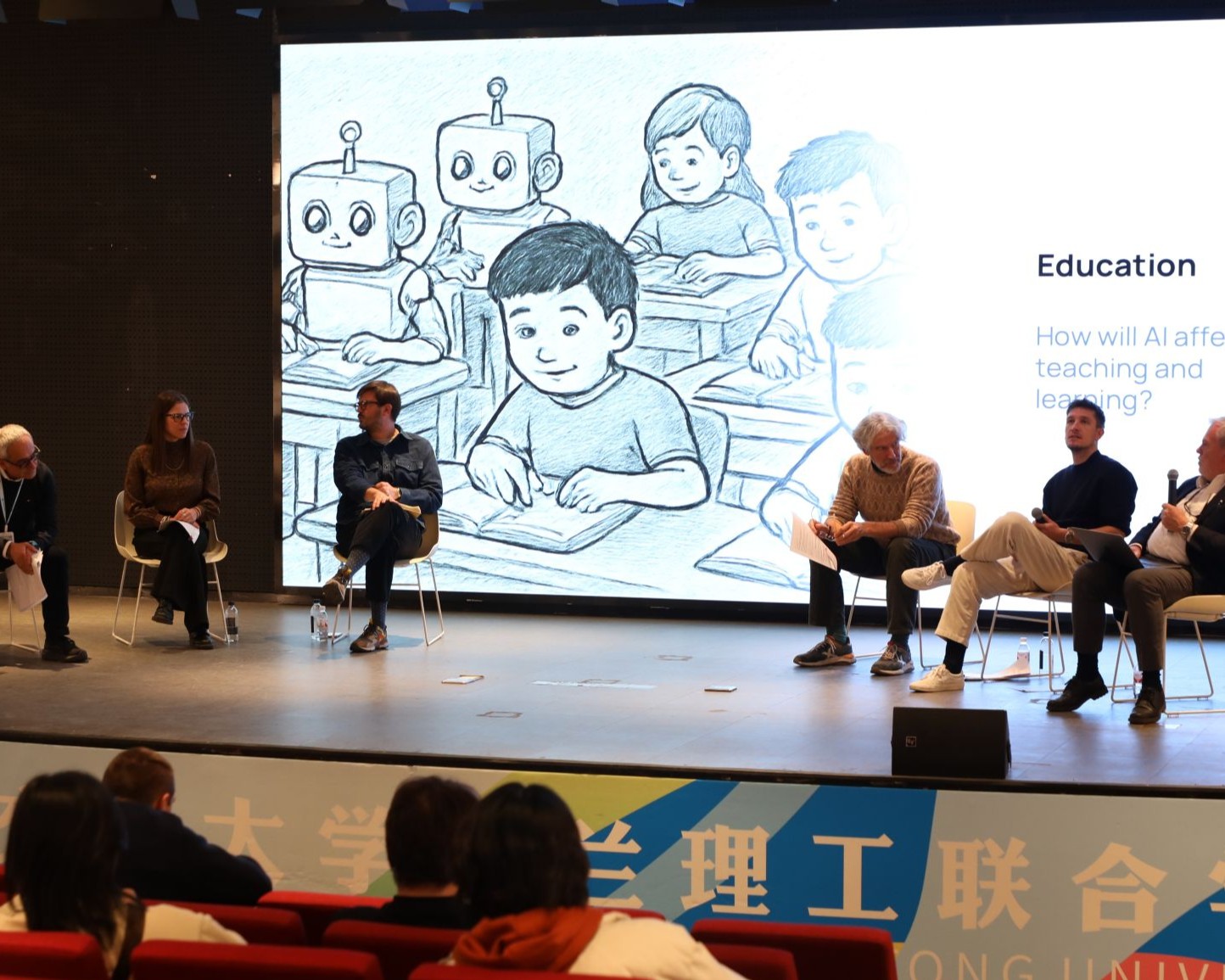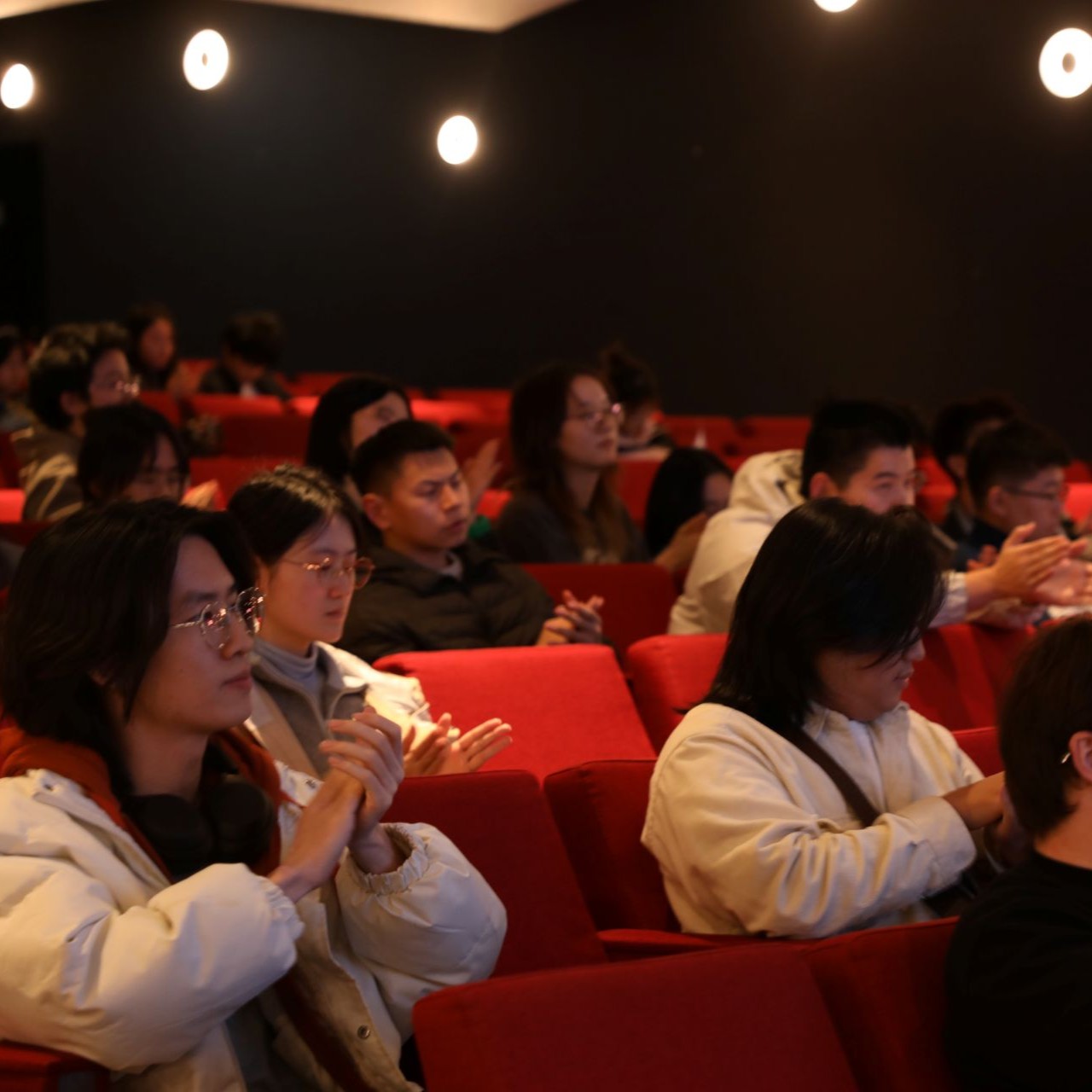

On November 26, 2025, the Milan Building of the iHarbour Campus hosted the panel “Are Designers and Engineers Ready for AI’s Takeover?”, featuring six professors from Politecnico di Milano: Antonio Capone, Giorgio Colombo, Nicola Crea, Giovanni Quattrocchi, Monica Rossi, and Carlo Standoli. The discussion offered rich insights into how artificial intelligence is redefining the work of designers and engineers — as well as the very way universities teach and learn.
Giovanni Quattrocchi emphasized that tools such as large language models can accelerate coding but do not replace the complexity of software engineering, which still requires system-level thinking, architectural decisions, and design responsibility.
According to Giorgio Colombo, design engineering is undergoing a similar shift: generative models can quickly produce concepts and variations, but human judgment remains essential to evaluate, refine, and convert these proposals into coherent, feasible solutions.
In telecommunications, Antonio Capone showed how AI is increasingly involved in the design and management of networks — from radio resource optimization to automated traffic control and planning support. Rather than replacing engineers, these technologies demand professionals capable of designing architectures, defining goals, and governing increasingly autonomous algorithms that integrate software, networks, and digital services.
In the field of creativity and innovation, Monica Rossi highlighted that AI broadens the space of imagination but calls for greater attention to meaning, ethics, and quality to avoid a superficial or opportunistic use of generative technologies.
Nicola Crea stressed that technological innovation is advancing faster than traditional industrial design processes. AI opens new spaces for ideation without replacing human creativity and pushes designers toward systematic and interdisciplinary approaches. Future designers, he argued, will need new skills — from AI literacy to critical thinking — and must actively contribute to a collective discussion on the future of design practice.
Carlo Standoli emphasized that in human-centered creative domains, AI can support ideation, manage constraints, and generate rapid alternatives, but cannot replicate the cultural, aesthetic, or relational sensitivity of designers. The challenge will be integrating human and artificial intelligence without lowering quality standards or losing control over the creative process.
Across the panel, one point was shared: AI will not eliminate the role of engineers or designers — it will transform it. New competencies will be essential: data and AI literacy, critical thinking, interdisciplinarity, and a deeper awareness of design and decision-making processes. AI does not replace intentionality in design; it expands the range of possibilities that professionals must learn to navigate and govern.
Artificial intelligence is set to become an integral part of creative and technical work. The real challenge will be finding a new balance between human imagination and generative machine capabilities, maintaining a critical perspective and a responsible design approach. Only then can designers and engineers truly lead — rather than suffer — the AI “takeover.”